
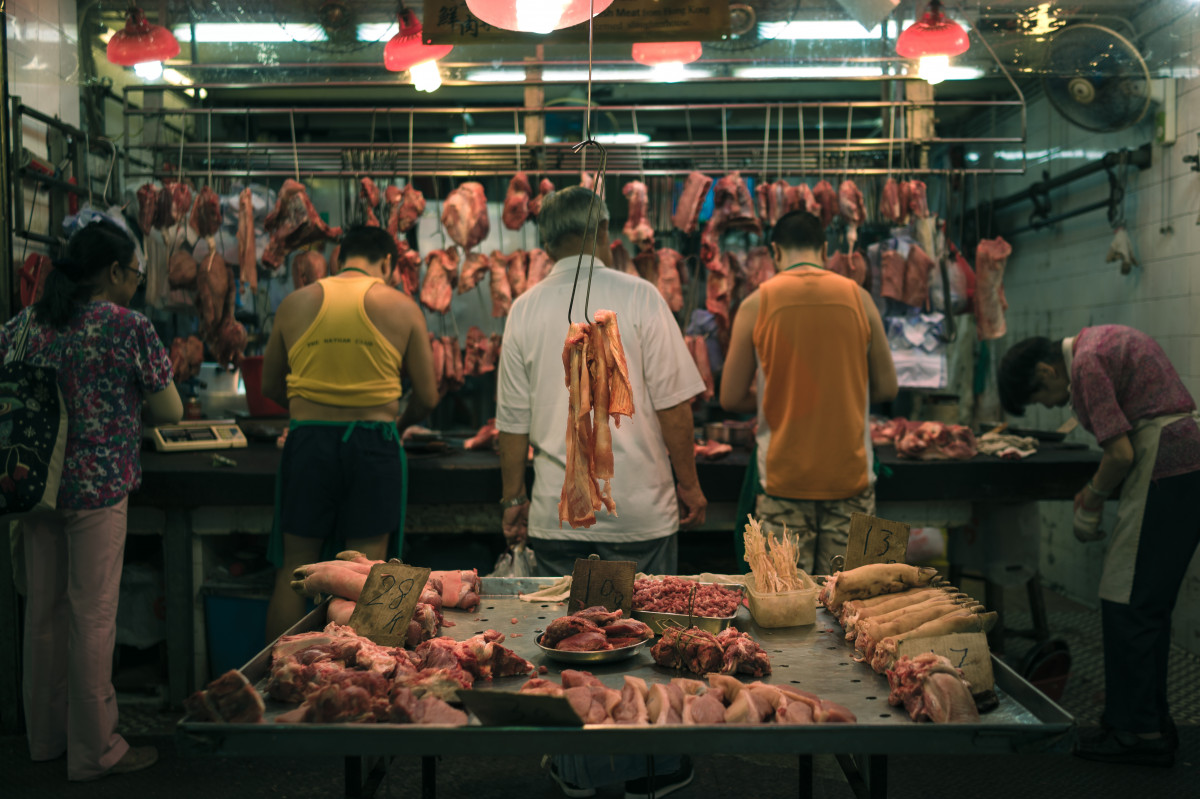
Portuguese cuisine is a vibrant and flavorful journey that reflects the country’s rich history, diverse landscapes, and cultural influences. Despite its relatively small size, Portugal boasts a culinary heritage that is both unique and deeply rooted in tradition, shaped by its Atlantic coastline, fertile plains, and mountainous regions. From the salty tang of the sea to the hearty, comforting dishes of the interior, Portuguese food offers a delicious window into the soul of the nation.
Seafood: The Heart of Portuguese Dining
Portugal’s long coastline and strong maritime traditions have made seafood a cornerstone of its gastronomy. At the center of this tradition is bacalhau, or salted cod, which is often referred to as the national dish. The Portuguese pride themselves on the versatility of bacalhau, claiming to have over 365 ways to prepare it—one recipe for each day of the year. Whether it’s bacalhau à Brás (shredded cod with onions, potatoes, and eggs) or bacalhau com natas (cod baked in a creamy sauce), this fish is a symbol of Portuguese culinary identity.
Sardines are another beloved seafood staple, especially popular during the summer festivals such as the Feast of St. Anthony in Lisbon, where grilled sardines are served fresh off the barbecue. Beyond fish, shellfish like clams, mussels, and octopus also play important roles in dishes such as amêijoas à Bulhão Pato (clams in garlic and coriander sauce) and polvo à lagareiro (roasted octopus with olive oil and garlic).
From the Land: Hearty and Rustic Flavors
While the coastlines thrive on seafood, the interior regions of Portugal celebrate heartier fare rooted in agriculture and livestock. Pork is especially significant, and dishes like leitão assado (roast suckling pig) from the Bairrada region showcase Portugal’s love for slow-roasted meats with crispy skin and tender flesh.
Another classic is cozido à portuguesa, a rich stew that brings together a variety of meats—pork, beef, chicken—alongside sausages, vegetables, and beans. This dish reflects the rustic, communal nature of Portuguese cooking, meant to be shared among family and friends.
In northern Portugal, smoked sausages such as chouriço and linguiça add smoky depth to soups and stews, while dishes like feijoada—a bean stew with meats—are common comfort foods across the country.
Breads, Cheeses, and Olive Oil: The Essentials
No Portuguese meal is complete without bread. Regional Portugal food varieties range from the dense, hearty breads of the north to the soft rolls of the south. Bread often accompanies meals, used to mop up sauces and flavors.
Cheese also plays a vital role, with the creamy Queijo Serra da Estrela from the mountainous Serra da Estrela region being one of the most famous varieties. Made from sheep’s milk, this cheese is rich, tangy, and often enjoyed with crusty bread or as part of a cheese platter.
Olive oil is another indispensable ingredient, prized for its quality and flavor. Portuguese olive oils are fruity and aromatic, reflecting the Mediterranean influences on the country’s culinary style.
Sweet Endings: The Conventual Legacy
Portuguese desserts are famously rich and often use simple ingredients like eggs, sugar, and cinnamon. Many sweets have their origins in convents, where nuns crafted recipes using excess egg yolks left over from wine clarification and starching clothes.
The iconic pastel de nata (custard tart) is perhaps the most famous of these sweets. With its flaky pastry crust and creamy custard center, it is enjoyed warm and sprinkled with cinnamon or powdered sugar.
Other traditional desserts include pão de ló (a light sponge cake), toucinho do céu (a rich almond and egg yolk cake), and arroz doce (creamy rice pudding flavored with lemon and cinnamon).
A Toast to Portuguese Wines and Spirits
Portugal is also renowned for its wine production, offering a wide range of styles to complement its diverse cuisine. From the sweet, fortified wines of Porto (Port wine) to the crisp, refreshing whites of Vinho Verde, the country’s vineyards provide excellent pairings for any meal.
Local spirits like Ginjinha, a cherry liqueur often enjoyed in Lisbon, add a sweet finish to meals and offer a taste of traditional Portuguese hospitality.
Conclusion
Portuguese cuisine is a delightful fusion of land and sea, history and tradition. Its dishes are marked by simple, high-quality ingredients, bold flavors, and a sense of warmth and community. Whether savoring a plate of fresh seafood on the coast or enjoying a hearty stew in the mountains, experiencing Portuguese food is an invitation to discover the heart and soul of this remarkable country.