
Portugal, a small country on the western edge of Europe, offers a culinary tradition as rich and diverse as its landscapes. Portuguese cuisine is a reflection of the nation’s history, geography, and cultural influences, drawing from the sea, the countryside, and centuries of exploration and trade. From fresh seafood dishes to hearty stews and sweet pastries, Portugal’s food culture is deeply rooted in tradition and full of flavor.
A Taste of the Sea
One of the most defining aspects of Portuguese cuisine is its deep connection to the Atlantic Ocean. With a vast coastline, it’s no surprise that seafood plays a central role in many traditional dishes. Perhaps the most iconic of these is bacalhau, or salt cod. Known as the “faithful friend” (fiel amigo), bacalhau is so beloved that it is said there are over 365 ways to prepare it—one for every day of the year. Whether baked with potatoes in bacalhau à Brás, simmered in a casserole, or served cold in a salad, this preserved fish is a staple in Portuguese households.
Other popular seafood dishes include grilled sardines (sardinhas assadas), especially during the summer festivals like Lisbon’s Feast of Saint Anthony. Octopus, clams, and prawns are also widely enjoyed, often prepared simply with olive oil, garlic, and fresh herbs to highlight their Portugal food natural flavors.
From the Countryside to the Table
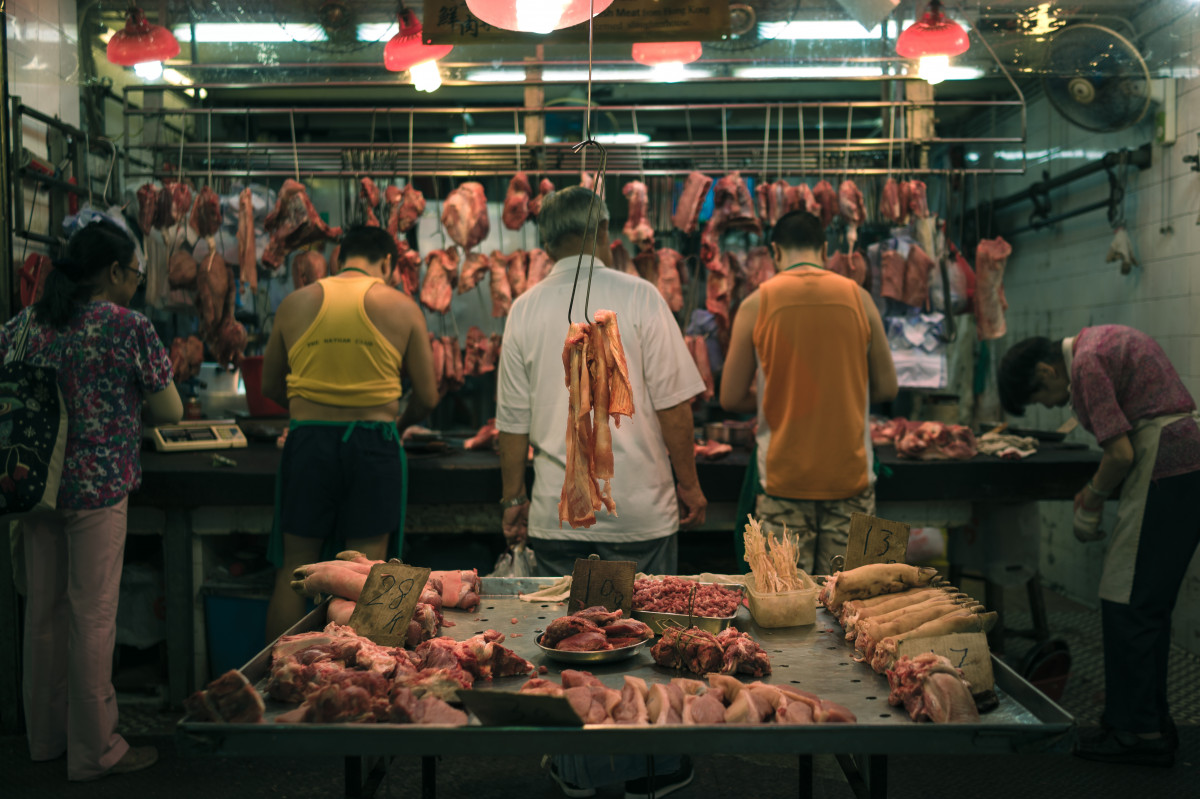
Beyond the coastline, Portugal’s interior regions offer a different, but equally rich, culinary experience. The cuisine here is shaped by agricultural traditions and the use of locally available ingredients. Pork is a dominant protein, featured in dishes such as leitão assado (roast suckling pig) and porco preto (black Iberian pig), known for its exceptional flavor and marbled meat.
Stews and hearty meals are common in these regions. Cozido à portuguesa is a classic example—a robust stew of meats, sausages, and vegetables slowly cooked together to create a deeply satisfying dish. In the north, the region of Trás-os-Montes is known for its rustic flavors, smoked meats, and earthy dishes like feijoada, a bean stew made with pork or beef.
Spices, Olive Oil, and Simplicity
Portuguese cooking is generally simple, relying on high-quality ingredients and straightforward techniques. Olive oil is a cornerstone of the cuisine, used generously in cooking and as a condiment. Garlic, onions, parsley, and bay leaves are common seasonings, along with a restrained use of spices such as paprika, piri-piri (a type of chili), and cinnamon—a legacy of Portugal’s maritime empire.
This balance of simplicity and flavor can be seen in dishes like caldo verde, a traditional green soup made with potatoes, kale, and chouriço (smoked sausage). It’s a humble dish but beloved across the country for its comforting taste and ease of preparation.
Sweet Endings
No exploration of Portuguese cuisine would be complete without mentioning its renowned desserts. The most famous is undoubtedly pastel de nata, a small custard tart with a flaky crust and caramelized top, best enjoyed warm with a sprinkle of cinnamon. Originating from Lisbon’s Belém district, these tarts have become a symbol of Portuguese sweets.
Other traditional desserts include arroz doce (rice pudding), bolo de bolacha (a layered biscuit cake), and pão de ló (a sponge cake). Many of these confections have religious origins, often created in convents and monasteries centuries ago, and their recipes have been lovingly passed down through generations.
Conclusion
Portuguese food is a reflection of its people—warm, welcoming, and rooted in tradition. It offers a rich tapestry of flavors that range from the sea-scented breeze of the coast to the hearty aromas of mountain kitchens. Whether you’re savoring a simple grilled sardine, indulging in a creamy custard tart, or sharing a pot of stew with family and friends, Portugal invites you to experience its culture one delicious bite at a time.